
Blog list
Brewer Eye Associates Blog

Myopia, or nearsightedness, often begins during childhood and may continue progressing as the eyes grow. A child may first struggle to see the classroom board, recognize faces across a room, or participate comfortably in sports. Standard glasses can sharpen distance vision, but families may also want a plan designed to slow further progression.

Does Glaucoma Have Early Warning Signs? What We Look for During Your Annual Eye Exam in Philadelphia
Glaucoma is often called a silent eye disease because it can develop slowly without obvious symptoms at first. Many patients expect eye problems to cause pain, redness, or noticeable blur, but glaucoma may damage vision before you realize anything is wrong. That is why an annual eye exam is one of the most important steps you can take to protect your sight.
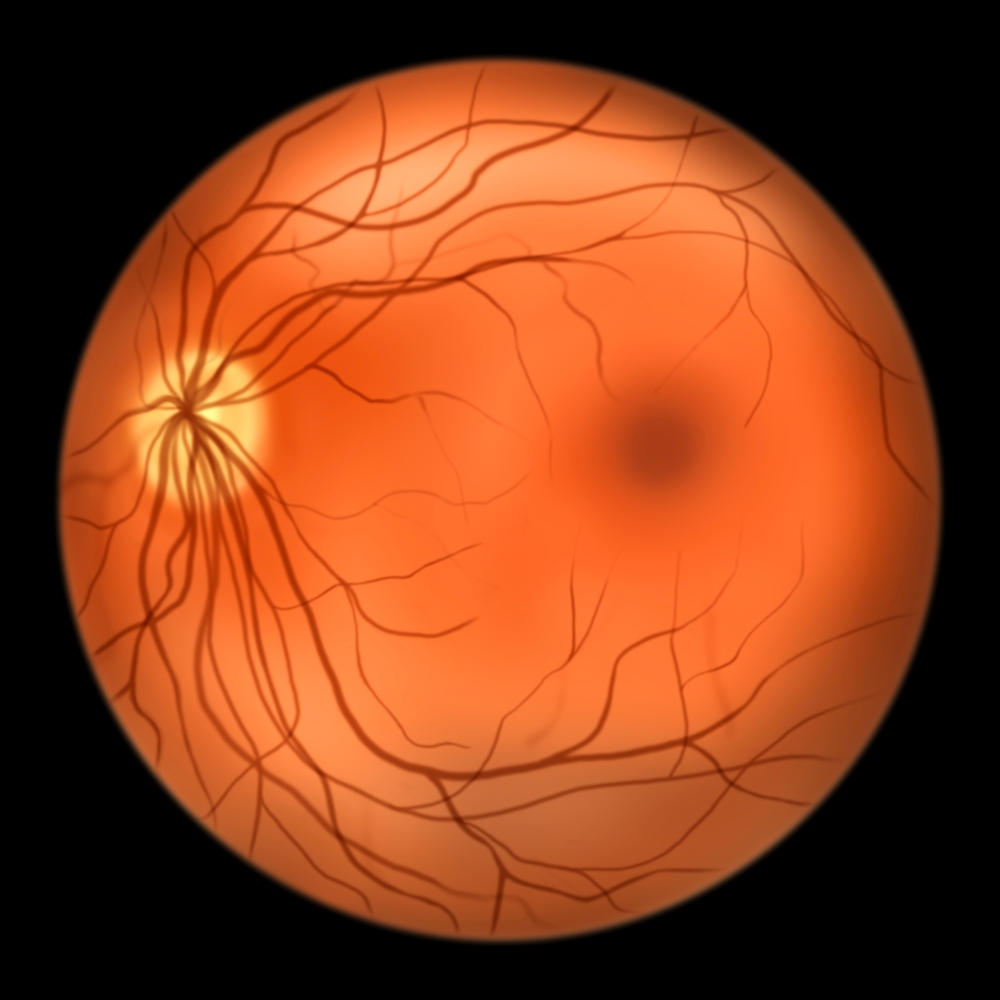
When you schedule a comprehensive eye exam in PA, your eye doctor is not only checking how clearly you see. They are also evaluating the health of the retina, the light-sensitive tissue at the back of the eye. Two common ways to view the retina are Optomap retinal imaging and traditional dilation. Both can provide valuable information, but the experience is different for patients.

Myopia, also called nearsightedness, is a common vision condition that often begins in childhood. Children with myopia can usually see up close clearly, but objects in the distance may look blurry. This can make it harder to see the board at school, play sports comfortably, or recognize faces from across a room. Myopia can worsen as a child grows, especially during the school-age years. While glasses or contact lenses can help your child see clearly, they do not always address the progression of myopia. That is why many parents are now asking about myopia control options, including atropine eye drops.
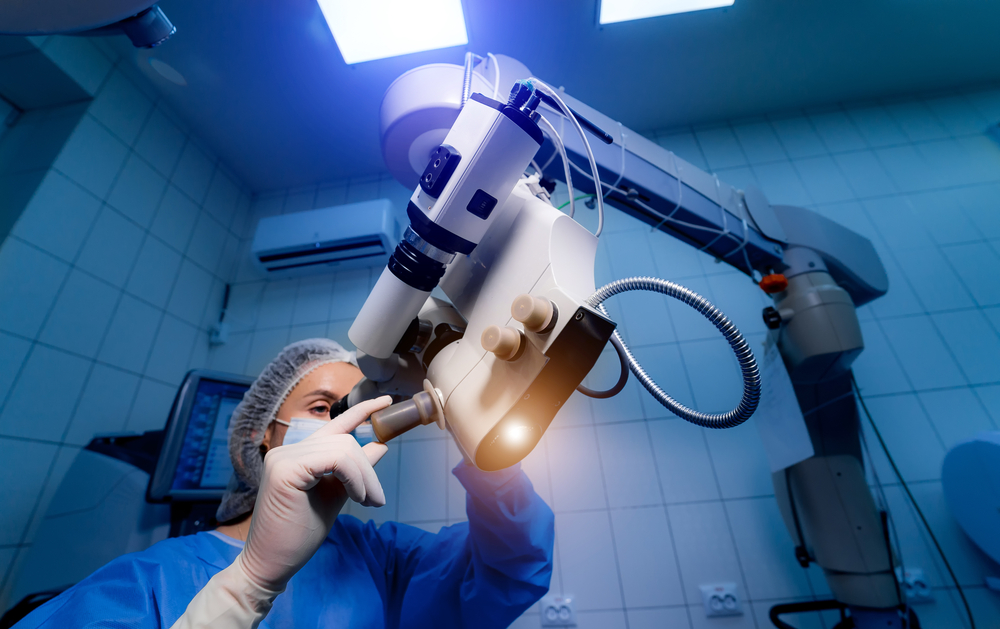
If you are thinking about LASIK, you may hear the term LASIK co-management during the process. LASIK co-management means your optometrist works together with your surgeon to guide your care before and after surgery. This team-based approach helps make vision correction more convenient, personal, and well-coordinated for patients exploring LASIK.
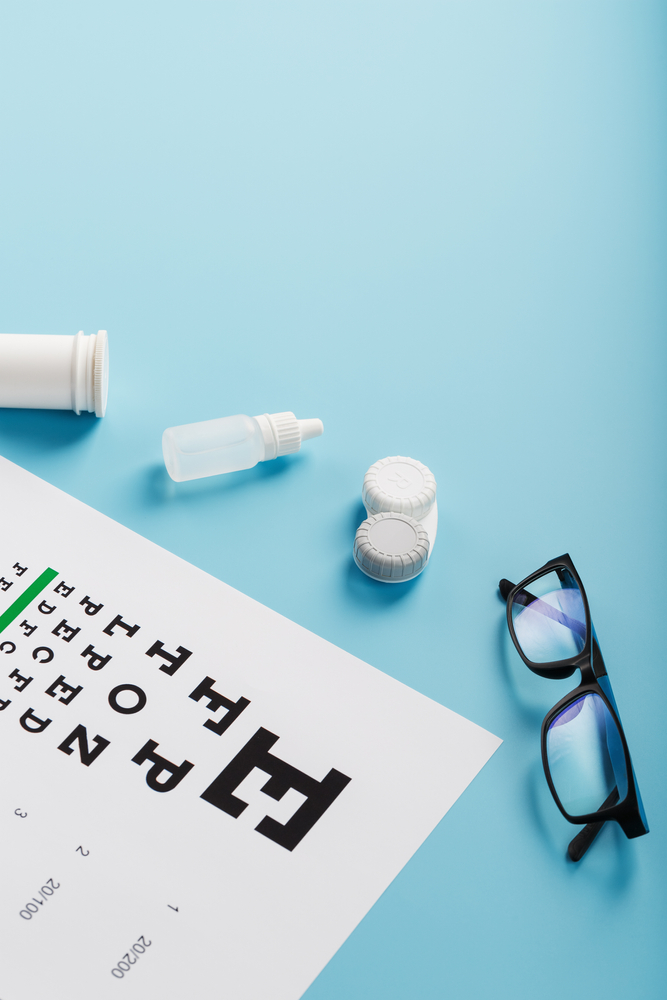
Choosing between progressive lenses and reading glasses depends on how you use your eyes throughout the day. Both can improve near vision, but they work in very different ways. If you are noticing blurred close-up vision, eye strain while reading, or trouble switching focus between distances, understanding the difference can help you make a more confident decision.
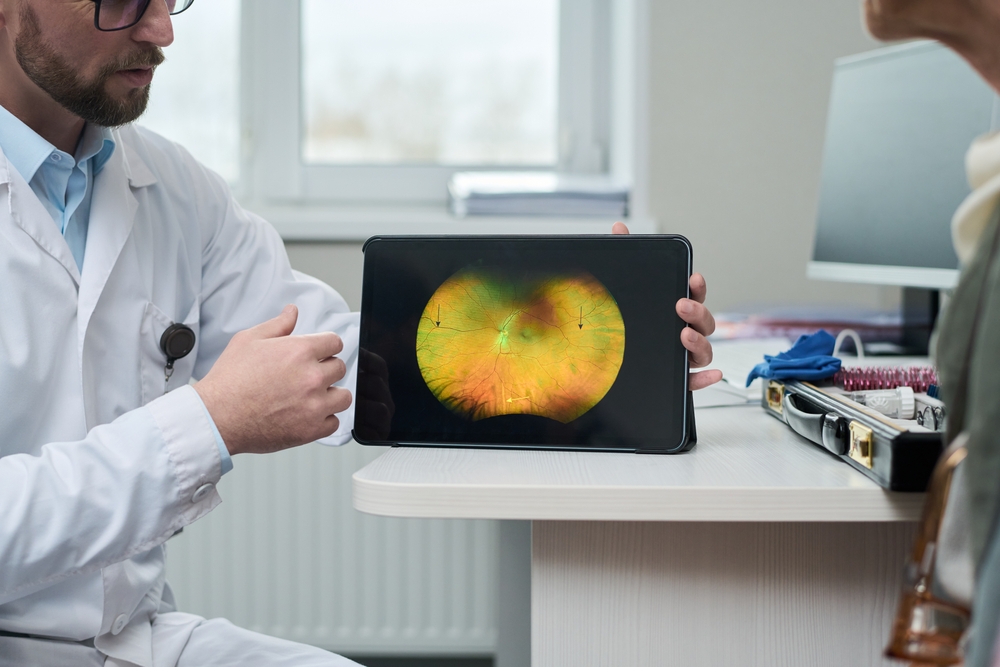
When it comes to protecting your vision, early detection is everything. Many serious eye diseases develop silently, without noticeable symptoms in their earliest stages. By the time vision changes occur, damage may already be advanced. Optomap® provides a detailed, wide-field view of the retina - helping your eye doctor detect potential concerns earlier, monitor changes over time, and protect your long-term vision.

An eye exam does more than check how clearly you see - it can also reveal important information about the health of your eyes. One of the most advanced tools used today is the Optomap retinal scan, a technology that allows eye doctors to see a wide, detailed view of the retina in seconds.
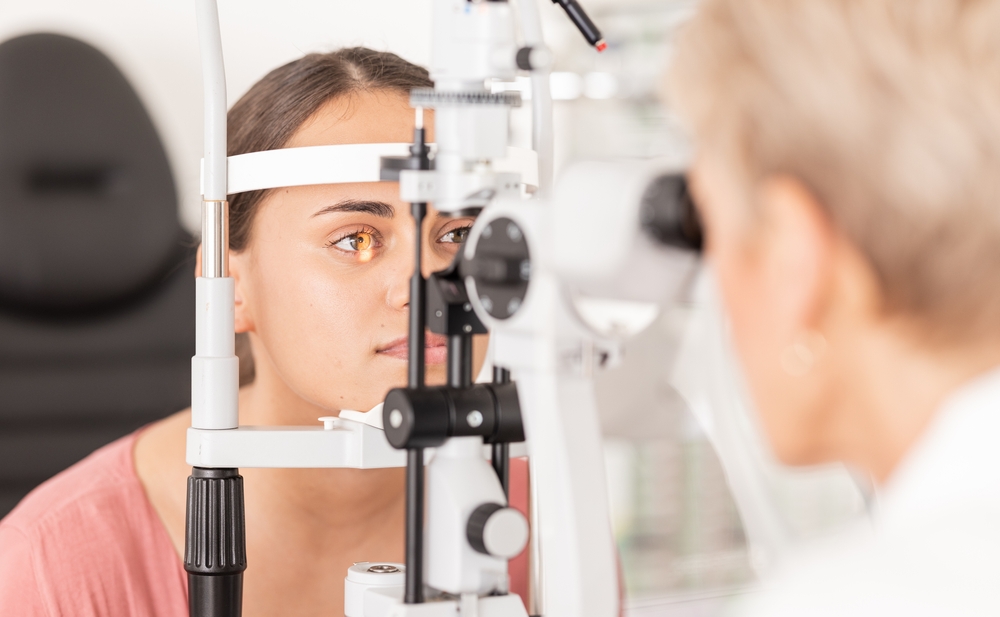
Wearing contact lenses offers clarity, comfort, and convenience, but they also require routine care to keep your eyes healthy. One of the most important parts of contact lens safety is staying up to date with your contact lens exams. At Brewer Eye Associates, we help patients protect their vision by making sure their lenses fit properly, support eye health, and match their changing vision needs

Most people schedule eye exams when their vision gets blurry or their glasses no longer feel strong enough. But your eyes can signal deeper issues long before obvious vision changes occur. In many cases, subtle or unexpected symptoms may indicate that you need more than a standard vision check. Here are eight surprising signs your eyes may be telling you it’s time for a more comprehensive eye exam.

© 2025 Brewer Eye Associates. All Rights Reserved. Accessibility Statement - Privacy Policy - Sitemap
