
Why Are My Eyes So Dry This Fall? Heating & Seasonal Dry Eye Triggers
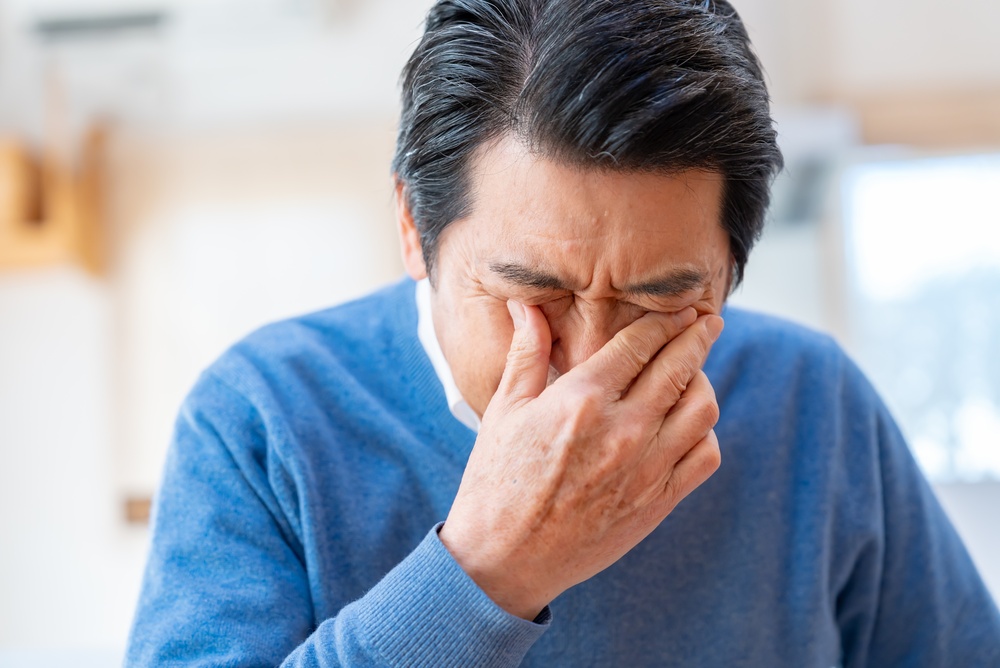
Fall brings cooler temperatures, shorter days, and more time indoors. It can also bring an uncomfortable increase in dry, irritated eyes. If your eyes suddenly feel gritty, watery, tired, or sensitive as the seasons change, your environment may be affecting your tear film.
At Brewer Eye Associates, we help patients identify what is contributing to dry eye symptoms so treatment can address the underlying cause instead of simply providing temporary relief.
Why Dry Eye Can Feel Worse in the Fall
Healthy tears coat the surface of the eye and help keep vision clear and comfortable. When your eyes do not produce enough tears, or when tears evaporate too quickly, dry eye symptoms can develop.
Fall introduces several changes that may make this imbalance more noticeable. Cooler outdoor air often contains less moisture, while indoor heating can further reduce humidity. Spending more time around heated air may cause moisture on the eye's surface to evaporate faster.
For patients who already have dry eye, meibomian gland dysfunction, blepharitis, or contact lens discomfort, these seasonal changes can make existing symptoms more noticeable.
Indoor Heating Can Affect Your Tear Film
Turning on the heat may make your home or workplace comfortable, but warm, dry air is not always comfortable for your eyes. Furnaces, space heaters, and vents can increase exposure to moving air and low humidity.
Sitting directly beneath or beside a heating vent can be especially irritating. The constant airflow may speed up tear evaporation and leave your eyes feeling dry even when they are producing tears.
Seasonal Allergies Can Add to the Irritation
Fall allergens can create another challenge. Seasonal allergies may cause itching, redness, watering, and inflammation. Allergy symptoms can also overlap with dry eye, making it difficult to determine why your eyes are uncomfortable without an evaluation.
Some allergy medications, including certain antihistamines, may also contribute to dryness. If symptoms persist, an eye exam can help distinguish between allergies, dry eye, or a combination of both.
Simple Ways to Reduce Fall Dry Eye Symptoms
Small environmental changes may help support more comfortable eyes during the cooler months:
- Avoid sitting directly in front of heating vents, fans, or space heaters
- Consider using a humidifier when indoor air becomes especially dry
- Take regular breaks from computers, phones, and other digital screens
- Blink fully and frequently during prolonged screen use
- Stay consistent with contact lens care and recommended wearing schedules
- Use artificial tears or other eye care products as recommended by your eye doctor
These steps can be helpful, but ongoing symptoms may require more targeted care.
When Dry Eye Needs Professional Attention
Persistent burning, stinging, redness, fluctuating vision, excessive watering, or a sandy sensation should not simply be dismissed as seasonal discomfort. Dry eye can have several causes, including problems with tear production, tear quality, eyelid inflammation, or the oil-producing meibomian glands.
At Brewer Eye Associates, we can evaluate the eyelids, tear film, and eye surface to better understand what is contributing to your symptoms. Depending on your needs, dry eye treatment may include home care, artificial tears or gels, prescription eye drops, nutritional support, or therapies designed to address eyelid and meibomian gland problems.
For personalized dry eye care this fall, schedule an appointment with Brewer Eye Associates in Philadelphia, PA at (215) 600-3084 or North Wales, PA at (215) 631-8996.


© 2025 Brewer Eye Associates. All Rights Reserved. Accessibility Statement - Privacy Policy - Sitemap
