
Optomap Retinal Exam vs. Traditional Dilation: What To Expect At Your PA Eye Exam
Optomap Retinal Exam vs. Traditional Dilation: What To Expect At Your PA Eye Exam
When you schedule a comprehensive eye exam in PA, your eye doctor is not only checking how clearly you see. They are also evaluating the health of the retina, the light-sensitive tissue at the back of the eye. Two common ways to view the retina are Optomap retinal imaging and traditional dilation. Both can provide valuable information, but the experience is different for patients.
At Brewer Eye Associates, Optomap technology helps our team take a wider, detailed look at the retina during your eye exam in Philadelphia or North Wales.
What Is An Optomap Retinal Exam?
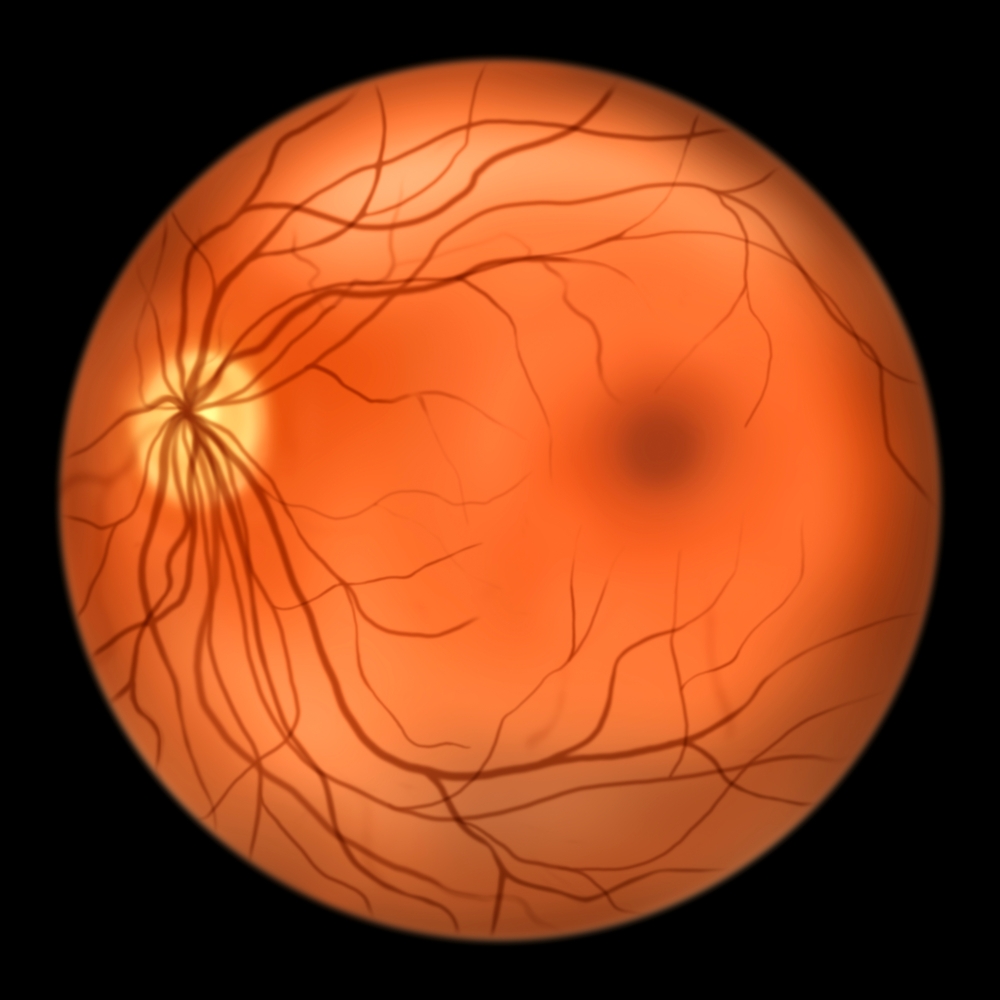
An Optomap retinal exam uses ultra-widefield imaging to capture a detailed digital image of the retina. The scan is fast, painless, and non-invasive. During the test, you look into the device, a quick flash captures the image, and your eye doctor reviews the results.
Optomap images can help detect and monitor signs of eye disease, including diabetic retinopathy, macular degeneration, retinal holes, retinal detachment, and other concerns that may not cause symptoms in the early stages. These images can also be saved in your record, allowing your optometrist to compare changes over time.
How Traditional Dilation Works
Traditional dilation uses eye drops to widen the pupils so your eye doctor can examine the inside of the eye more clearly. Dilation has long been an important part of retinal health exams because it allows the doctor to directly evaluate the retina, optic nerve, and blood vessels.
The drops are painless, but they can cause temporary light sensitivity and blurry near vision for several hours. Some patients prefer to bring sunglasses or have someone drive them home, especially if they are sensitive to light.
Optomap vs. Dilation: What Is The Difference?
Optomap retinal imaging is often quicker and more convenient for patients. It provides a wide view of the retina in seconds and creates a permanent image that can be reviewed during future visits. Traditional dilation may still be recommended depending on your eye health, symptoms, risk factors, or what your doctor needs to evaluate.
Benefits of Optomap may include:
• A fast, comfortable scan
• A wide view of the retina
• Digital images for future comparison
• Helpful screening for retinal disease
• A convenient option for many children and adults
While Optomap is a valuable screening and monitoring tool, it does not automatically replace dilation in every situation. Your eye doctor will recommend the best option based on your personal eye health needs.
Who Should Consider Retinal Imaging?
Retinal imaging can be especially helpful for patients with diabetes, high blood pressure, a family history of eye disease, flashes or floaters, high prescriptions, or changes in vision. It is also useful for patients who want a more complete picture of their eye health during a routine PA eye exam.
Even if your vision feels clear, retinal conditions can develop quietly. Regular comprehensive eye exams give your optometrist a chance to catch changes early, when treatment or monitoring may be most effective.
What To Expect At Your Appointment
Your visit may include a vision check, eye pressure testing, prescription evaluation, and a retinal health assessment. If Optomap is recommended, the scan only takes a few moments. Your doctor can then review the image with you and explain any findings in clear, simple terms.
Schedule a comprehensive eye exam with an Optomap retinal exam at Brewer Eye Associates for a clearer, more complete look at your eye health. Visit our office in Philadelphia or North Wales, Pennsylvania. Call (215) 600-3085 or (215) 631-8996 to book an appointment today.



© 2025 Brewer Eye Associates. All Rights Reserved. Accessibility Statement - Privacy Policy - Sitemap
