
Does Glaucoma Have Early Warning Signs? What We Look for During Your Annual Eye Exam in Philadelphia
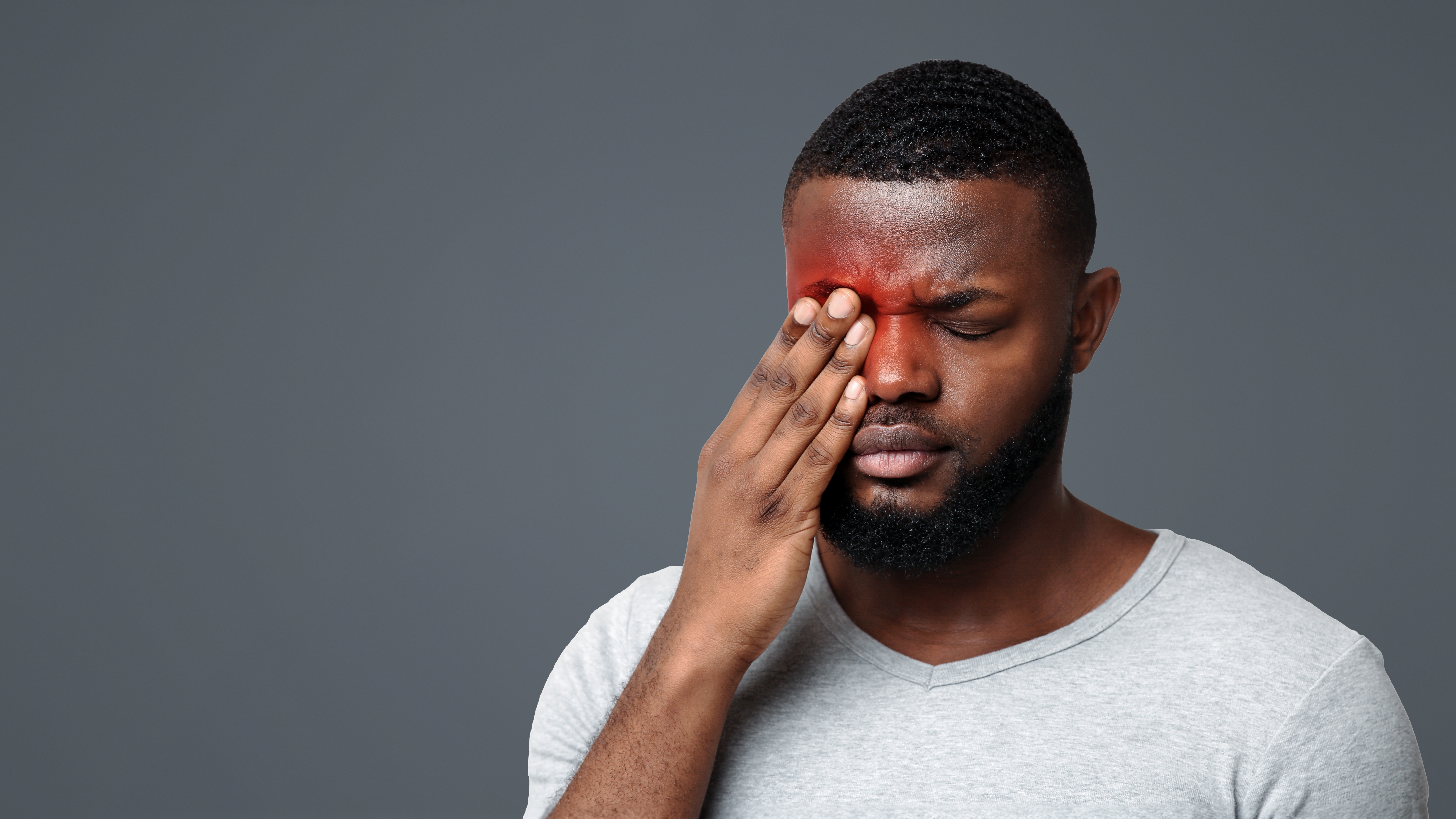
Glaucoma is often called a silent eye disease because it can develop slowly without obvious symptoms at first. Many patients expect eye problems to cause pain, redness, or noticeable blur, but glaucoma may damage vision before you realize anything is wrong. That is why an annual eye exam is one of the most important steps you can take to protect your sight.
At Brewer Eye Associates in Philadelphia, we help patients monitor eye health, detect glaucoma risk factors, and understand when additional testing may be needed.
Does Glaucoma Have Early Warning Signs?
In many cases, glaucoma does not cause clear early warning signs. Vision loss often begins in the side vision and may progress gradually. Because the brain can compensate for small changes, patients may not notice the problem until more vision has been affected.
Some types of glaucoma can cause sudden symptoms, such as severe eye pain, headache, nausea, halos around lights, or sudden blurry vision. These symptoms require urgent medical attention. However, the more common forms of glaucoma are often quieter, which is why routine exams matter.
Why Glaucoma Testing Matters In Philadelphia
Glaucoma can affect adults of many ages, but risk increases with age, family history, eye pressure, certain medical conditions, high myopia, past eye injury, and other factors. Patients in Philadelphia who have not had a comprehensive eye exam in the past year may not know whether they have risk factors.
A regular exam allows your optometrist to compare changes over time. This is important because glaucoma is not diagnosed from one simple number. Your eye doctor looks at the full picture, including eye pressure, optic nerve appearance, vision function, and risk level.
What We Look For During An Annual Eye Exam
A glaucoma-focused annual eye exam evaluates several areas of eye health. Your optometrist may check:
- Eye pressure, also called intraocular pressure
- Optic nerve shape, color, and structure
- Peripheral vision or side vision
- Retinal nerve fiber layer health when imaging is used
- Corneal thickness in some patients
- Family history of glaucoma
- Changes compared to past exam results
- Symptoms such as halos, eye pain, or vision changes
These details help your eye doctor decide whether your eyes appear healthy, need monitoring, or require further glaucoma testing.
Why Eye Pressure Is Only Part Of The Story
Many people think glaucoma only means high eye pressure. While elevated pressure is an important risk factor, some patients develop glaucoma with pressure in a normal range. Others may have higher pressure without optic nerve damage.
That is why your eye doctor also examines the optic nerve. The optic nerve carries visual information from the eye to the brain. Glaucoma can damage this nerve over time, so changes in its appearance can be an important warning sign.
What Happens If Something Looks Suspicious?
If your annual exam shows possible glaucoma risk, your optometrist may recommend additional testing or closer monitoring. This may include visual field testing to measure side vision, imaging to evaluate the optic nerve and retinal nerve fiber layer, or follow-up exams to watch for changes.
Being told you need more testing does not always mean you have glaucoma. It means your eye doctor wants more information before making a diagnosis or treatment recommendation.
Can Glaucoma Vision Loss Be Reversed?
Vision loss from glaucoma usually cannot be reversed, which makes early detection especially important. The goal of treatment is to slow or prevent further damage. Depending on the case, treatment may include prescription eye drops, laser treatment, surgery, or referral to a specialist.
The earlier glaucoma is found, the more options your doctor may have to help preserve your remaining vision.
Make Glaucoma Screening Part Of Your Routine
Even if your vision feels normal, an annual eye exam can reveal important information about your eye health. For Philadelphia patients, routine glaucoma testing is a proactive way to protect sight before symptoms appear.
To schedule an annual eye exam or glaucoma evaluation, contact Brewer Eye Associates in Philadelphia, PA at Roosevelt Mall, 2329 Cottman Ave Spc 66, Philadelphia, PA 19149, or call (215) 600-3084.

© 2025 Brewer Eye Associates. All Rights Reserved. Accessibility Statement - Privacy Policy - Sitemap
