
Digital Eye Strain in Philly Students & Remote Workers: Lenses for Screen Fatigue
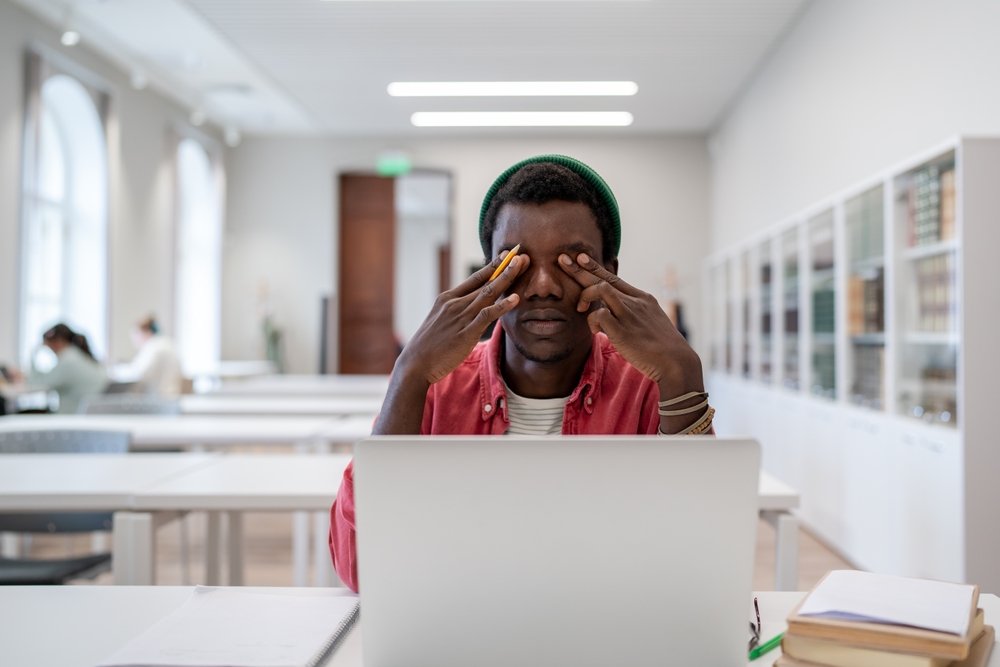
Students and remote workers in Philadelphia spend more time than ever moving between laptops, tablets, phones, and other digital devices. Long hours of screen use can contribute to digital eye strain, leaving your eyes tired, dry, irritated, or unable to focus comfortably by the end of the day.
At Brewer Eye Associates, we help patients understand what may be causing their screen-related discomfort and determine whether an updated prescription or specialized eyewear could make daily computer work more comfortable.
What Digital Eye Strain Can Feel Like
Digital eye strain is not limited to one specific symptom. Some Philadelphia patients notice discomfort after only a few hours of screen use, while others develop symptoms gradually during a full school or workday.
Common signs include:
Tired, sore, or heavy-feeling eyes
Blurry or fluctuating vision
Headaches after computer work
Dry, burning, or irritated eyes
Difficulty switching focus between near and distant objects
Neck or shoulder discomfort from leaning toward the screen
These symptoms do not always mean something is seriously wrong with your eyes, but persistent discomfort should not simply be ignored.
Why Screens Can Make Your Eyes Feel Tired
When we work on a computer, our eyes continuously focus at a close or intermediate distance. Students may spend hours reading assignments online, while remote workers often move between spreadsheets, video calls, emails, and mobile devices throughout the day.
People also tend to blink less frequently while concentrating on screens. Reduced blinking can contribute to dryness and irritation, especially for patients who already experience dry eye symptoms.
Even a small uncorrected vision prescription can make extended computer work more demanding. If your glasses or contact lens prescription is no longer providing clear, comfortable vision, your eyes may be working harder than necessary.
How Computer Lenses May Help
Not every pair of glasses is optimized for the same viewing distance. Standard distance glasses may work well for driving or watching television, while reading glasses are designed for closer tasks. Computer screens typically sit somewhere between those distances.
Depending on your prescription and daily visual needs, we may recommend lenses designed to provide comfortable vision at computer and near-working distances. Computer or occupational lenses can be particularly useful for Philadelphia professionals who spend most of their workday at a desk.
Students may also benefit from eyewear tailored to their study habits, especially when schoolwork involves extended periods on laptops and tablets.
Your Prescription Is Only Part Of The Picture
Choosing lenses for screen fatigue starts with a comprehensive eye exam. We evaluate your visual acuity, prescription, focusing ability, eye health, and the symptoms you experience throughout the day.
We may also discuss how far you sit from your monitor, how many screens you use, whether you alternate between digital and printed material, and how long your typical work or study sessions last. These details help us recommend eyewear based on how you actually use your vision.
Screen discomfort can also overlap with dry eye, focusing difficulties, or other eye health concerns. Identifying the underlying issue is more useful than simply assuming every symptom is caused by blue light or screen brightness.
Build Better Screen Habits
The right lenses can help, but your daily habits matter too. Taking regular visual breaks, positioning your monitor comfortably, adjusting glare, remembering to blink, and avoiding unnecessarily long uninterrupted screen sessions can all reduce visual fatigue.
For Philadelphia students and remote workers, combining healthy screen habits with an accurate prescription can make long days of studying or computer work significantly more comfortable.
If screen time is leaving your eyes tired, blurry, dry, or uncomfortable, schedule an eye exam with Brewer Eye Associates at our Philadelphia office in Roosevelt Mall, 2329 Cottman Ave Spc 66, Philadelphia, PA 19149. Call us at (215) 600-3084 to schedule your appointment.


© 2025 Brewer Eye Associates. All Rights Reserved. Accessibility Statement - Privacy Policy - Sitemap
